
An arcade game began with a decision about a coin. Spend it on a machine you understood, or risk it on something new? A limited pocketful made the choice matter. The bright screen promised action, but the player still had to decide which kind of challenge deserved the next few minutes.
A machine with a public audience
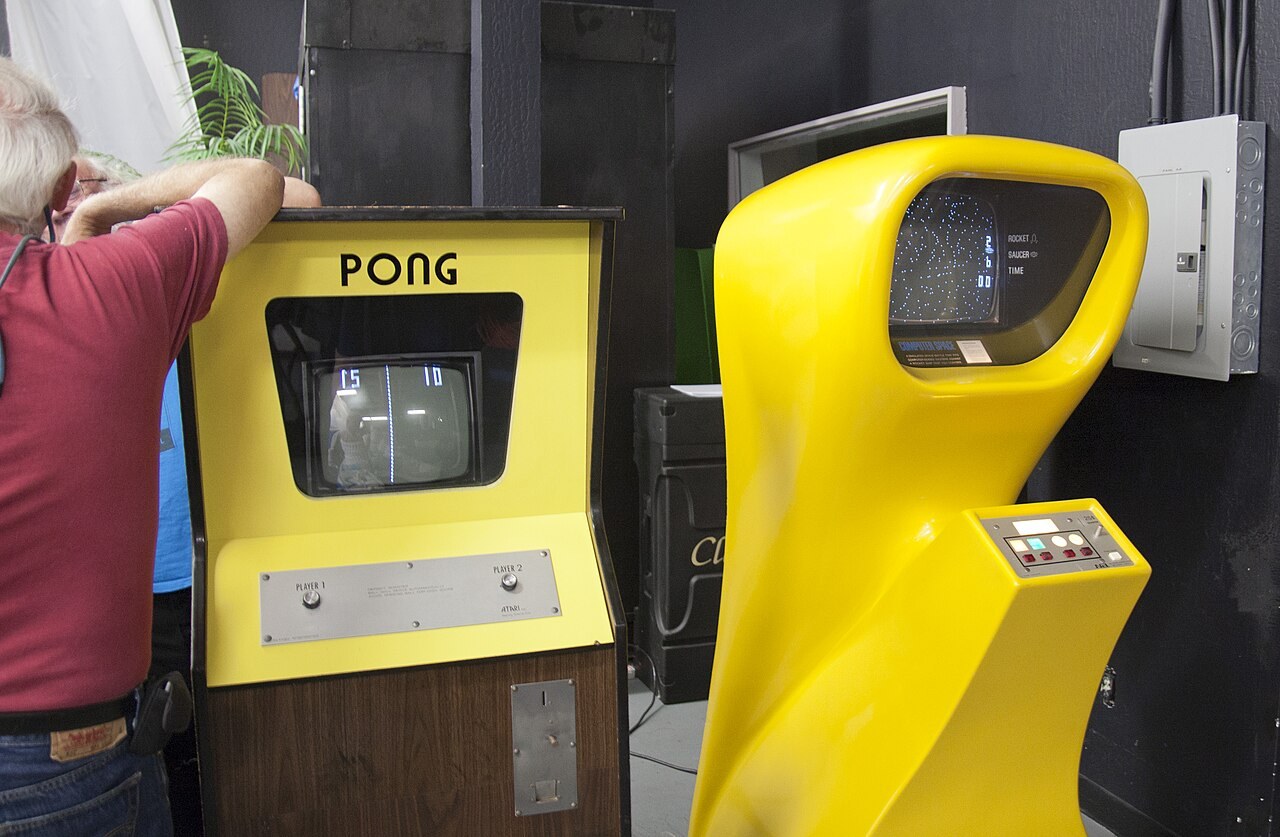
The Computer History Museum places Atari’s Pong in 1972 and credits its design to Al Alcorn. The game helped establish an influential model of electronic play in public places. The screen was not only something one person watched. It could attract observers who learned the action while waiting for their own turn.
Later arcade memories often include that surrounding audience. A friend watched over a shoulder. Someone offered advice at exactly the wrong moment. A skilled player made a difficult section look easy, while a beginner tried to understand the controls before the game demanded another decision. The cabinet gathered a small, temporary community around its screen.
Learning cost something
A failed attempt had a clear ending. That could make each improvement feel unusually satisfying. Survive a little longer, recognize a pattern, or reach a section you had only seen somebody else play: progress could be measured in moments as well as points. You did not need to become the best player in the room to know you were getting better.
Watching was part of learning, too. A person without a coin could still study what happened. The position of a hand, the timing of a move, or the decision not to act could all become useful information. An arcade was a place where people demonstrated skills to strangers without ever formally introducing themselves.
Three letters could feel important
On machines that recorded initials, a high-score table made success visible after a game ended. A few letters could become a tiny public signature. It was a modest kind of recognition, limited to one machine and whoever looked at it, but that limit could make it feel more personal rather than less.
The setting mattered as much as the score. Cabinets had a physical presence: control panels, artwork, sounds from neighboring games, and the space a player occupied while concentrating. Remembering a game can bring back where it stood. The machine near the entrance might have a different place in your memory from the one at the back.
Eventually the coins ran out or it was time to leave. The unfinished challenge could follow you home, ready for another visit. That is part of what made an arcade afternoon feel larger than its individual games. You left with a score, a story about an almost-success, or a very clear idea of where the first coin would go next time.
Which machine would have received your first quarter?
Sources & further reading
Written with AI assistance. Historical details checked against the linked sources. Our editorial approach
Keep a little yesterday close