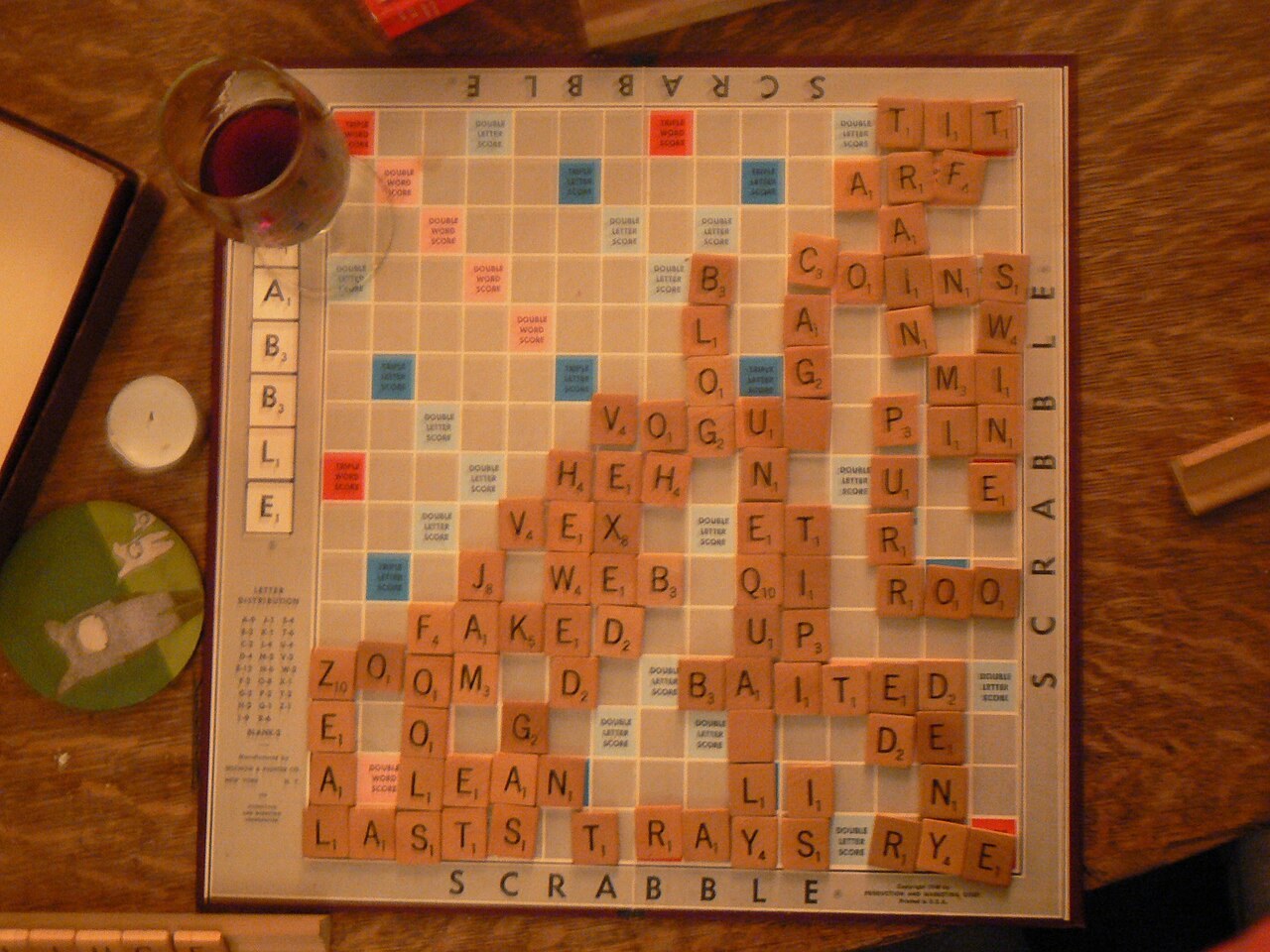

A board-game box could change the purpose of a table. Clear away the ordinary things, unfold the board, and suddenly everyone had a place in a shared little world. The printed rules supplied the framework. The people sitting around it supplied everything that would make this particular evening different from the last.
First, choose your piece
Before the first move came a small round of preferences. A certain color, a particular token, or the seat with the best view might already feel claimed. Somebody knew how the game worked; somebody else needed an explanation. Setting up was not merely preparation. It was the first scene of the evening.
The Strong National Museum of Play traces Monopoly’s origins to the earlier Landlord’s Game, patented in 1904. That history is a reminder that familiar games have their own complicated stories. At a household table, however, the version most people remember is the one shaped by their particular box, companions, and repeated evenings of play.
Every household had an expert
An instruction sheet could settle a question, but finding the relevant sentence sometimes took longer than anybody expected. Was a remembered rule actually printed there? Had everyone always played it differently? The discussion might become part of the entertainment, especially when a confident explanation met a carefully reread paragraph.
Games also revealed different approaches to winning. One person planned several moves ahead. Another played quickly and trusted luck. Somebody kept track of everything, while somebody else mostly wanted the group to stay together a little longer. Those differences could create friction, comedy, or the same affectionate complaints that returned every time the box was opened.
The evening around the board
There was time between turns for conversation. A story could begin while someone considered a move and continue after the next player started. The game gave hands something to do and the group a shared reference point. It could make an unplanned stretch of time feel like an occasion without requiring much more than a clear surface.
Not every game night was harmonious. A long session could become tiring, a disagreement could matter too much, or somebody could lose interest. Remembering the pleasure does not mean editing out the impatience. The people were real, and that is precisely why their habits remain recognizable when the board appears years later.
Putting everything away created a final little task. Count the pieces, fold the board, fit the lid, and return the box to its shelf. The contents looked much as they had before, but the evening had added another story. Long afterward, opening the same kind of box may bring back a voice explaining a rule before you even remember who usually won.
Which game brought out everybody’s competitive side?
Sources & further reading
Written with AI assistance. Historical details checked against the linked sources. Our editorial approach
Keep a little yesterday close