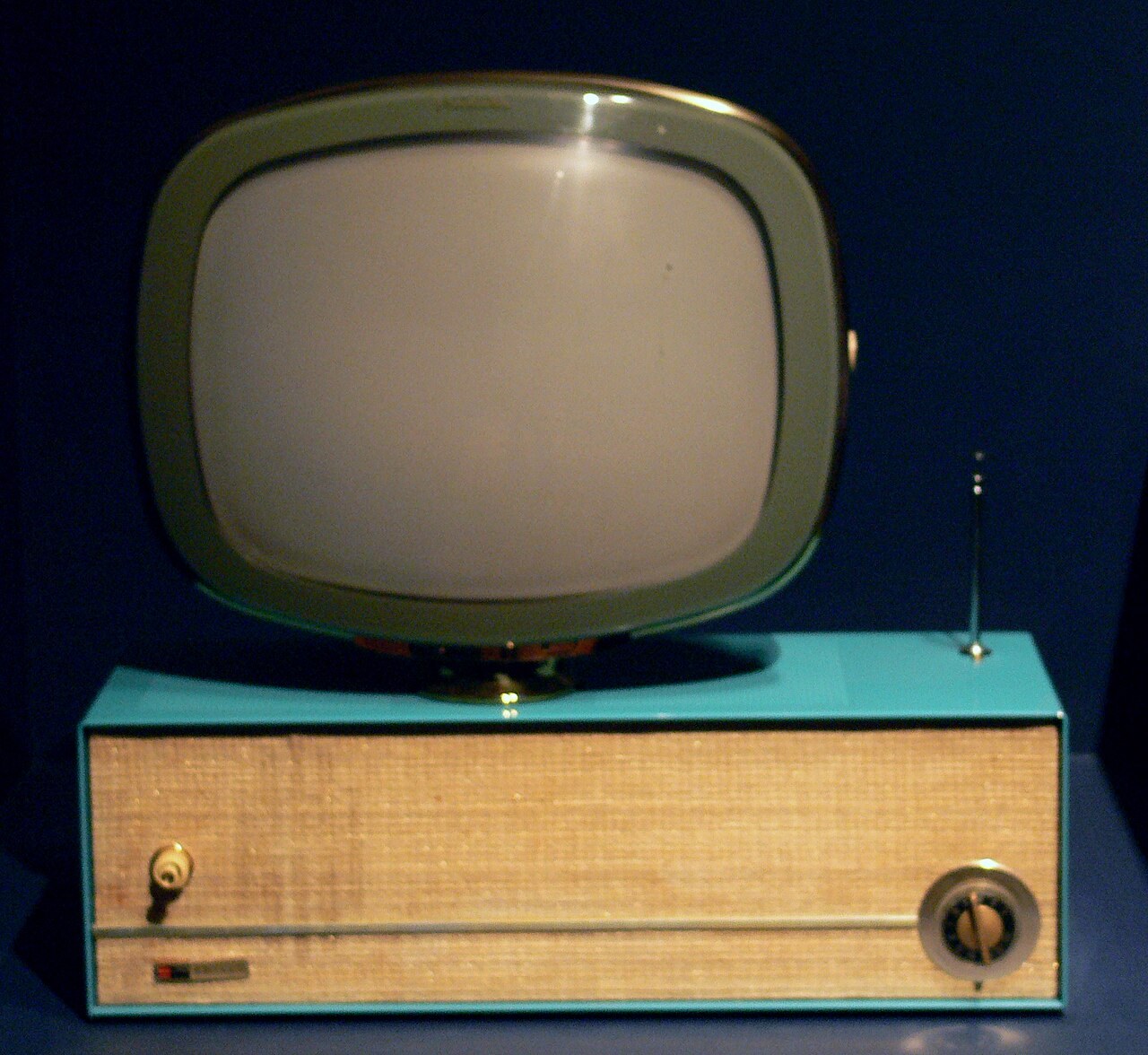

A favorite television program once came with an appointment. You could know the time as well as you knew the characters. Saturday morning gave that appointment a different feeling from an ordinary school day: the pleasure of getting up for something you wanted to see, with no classroom waiting immediately afterward.
The beginning mattered
Hearing a familiar theme tune could confirm that you had arrived in time. The opening sequence supplied a small welcome back to a world you already understood. There was no need to choose from an enormous menu. For a little while, the question of what to watch had already been answered by the schedule.
Those characters also lived beyond the television. The Smithsonian’s paper-doll archives include material based on Saturday-morning favorites such as Muppet Babies, Jem, and Rainbow Brite. The surviving objects show how screen characters became part of play, collecting, and the things children could hold in their hands between episodes.
A room with its own rituals
The viewing arrangement could be surprisingly specific. One seat had the best angle. A sibling wanted another channel. Breakfast needed to be arranged without missing anything important. The show provided the center of attention, but the routine around it belonged to the household and might have been repeated almost exactly each week.
A shared television also required negotiation. Someone else could dislike your favorite, or want to change channels before a scene was finished. Even the interruptions became recognizable. Looking back, the remembered morning may include a conversation from the kitchen, a sound outside the window, or a reminder that other plans were approaching.
The week had a different shape
Waiting between episodes helped give a program a place in the calendar. Anticipation stretched beyond the running time. Children could discuss characters during the week, imagine what might happen, or recognize a familiar adventure when it returned. Repetition did not necessarily spoil the pleasure; sometimes knowing what came next was part of the attraction.
Not everybody had the same channels or grew up with the same programs. Age, location, and household rules changed the lineup. That is why conversations about childhood television can be both familiar and surprising. Two people may remember the same kind of morning while naming completely different shows and describing different arguments about who controlled the set.
Today, choosing when to watch is wonderfully convenient. The older schedule offered something else: a shared moment that arrived whether or not you were ready. Its nostalgic appeal lies partly in that small certainty. There was a place to be, a tune to listen for, and an ordinary morning that briefly felt organized around your favorite characters.
Which theme tune could get you into the living room immediately?
Sources & further reading
Written with AI assistance. Historical details checked against the linked sources. Our editorial approach
Keep a little yesterday close